Understanding the Health Needs of Rescued Street Animals
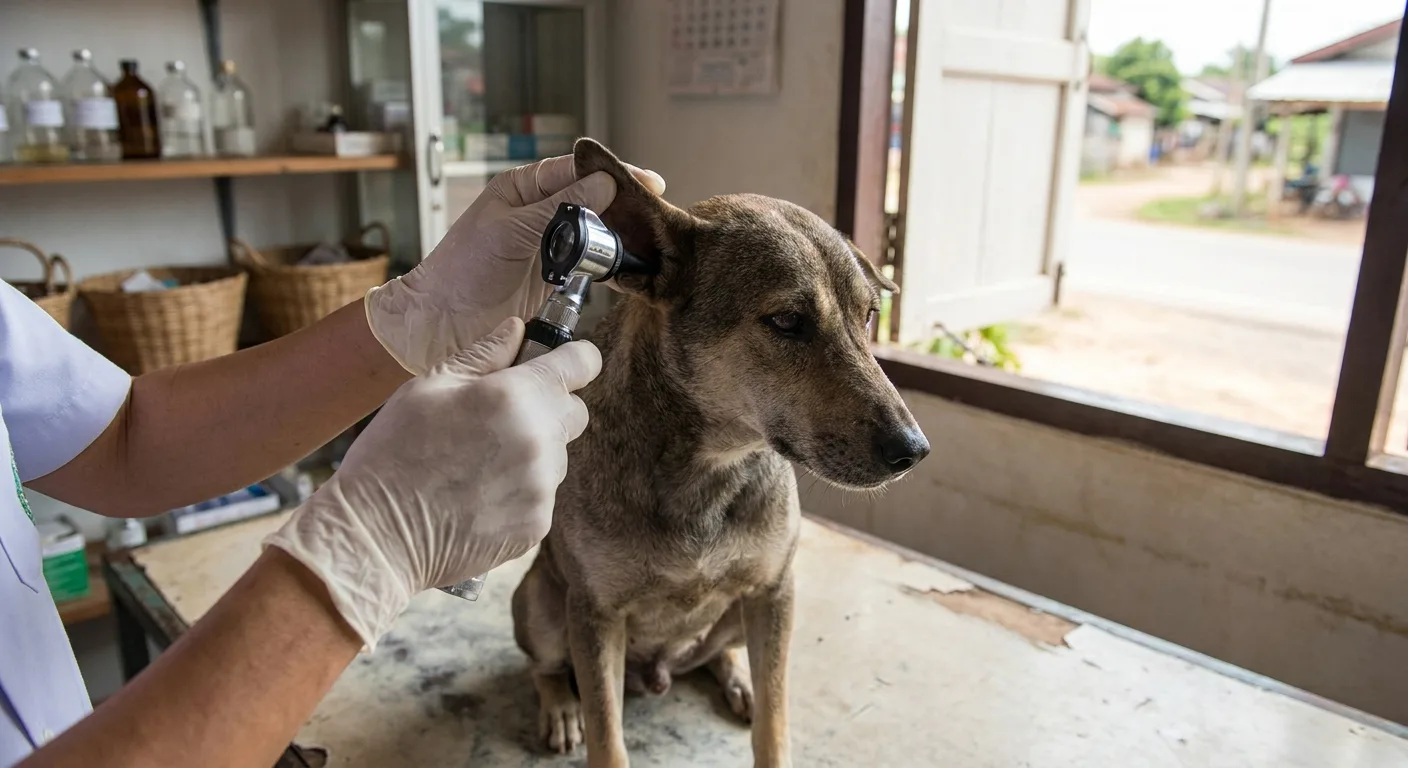
When a stray dog or cat is rescued from the streets of Thailand, the journey to recovery often begins with addressing a complex array of health issues. Years of surviving without proper nutrition, shelter, or medical care take a significant toll on these animals. Understanding the common health challenges faced by rescued street animals is essential for anyone involved in animal rescue, fostering, or adoption.
The Reality of Street Animal Health
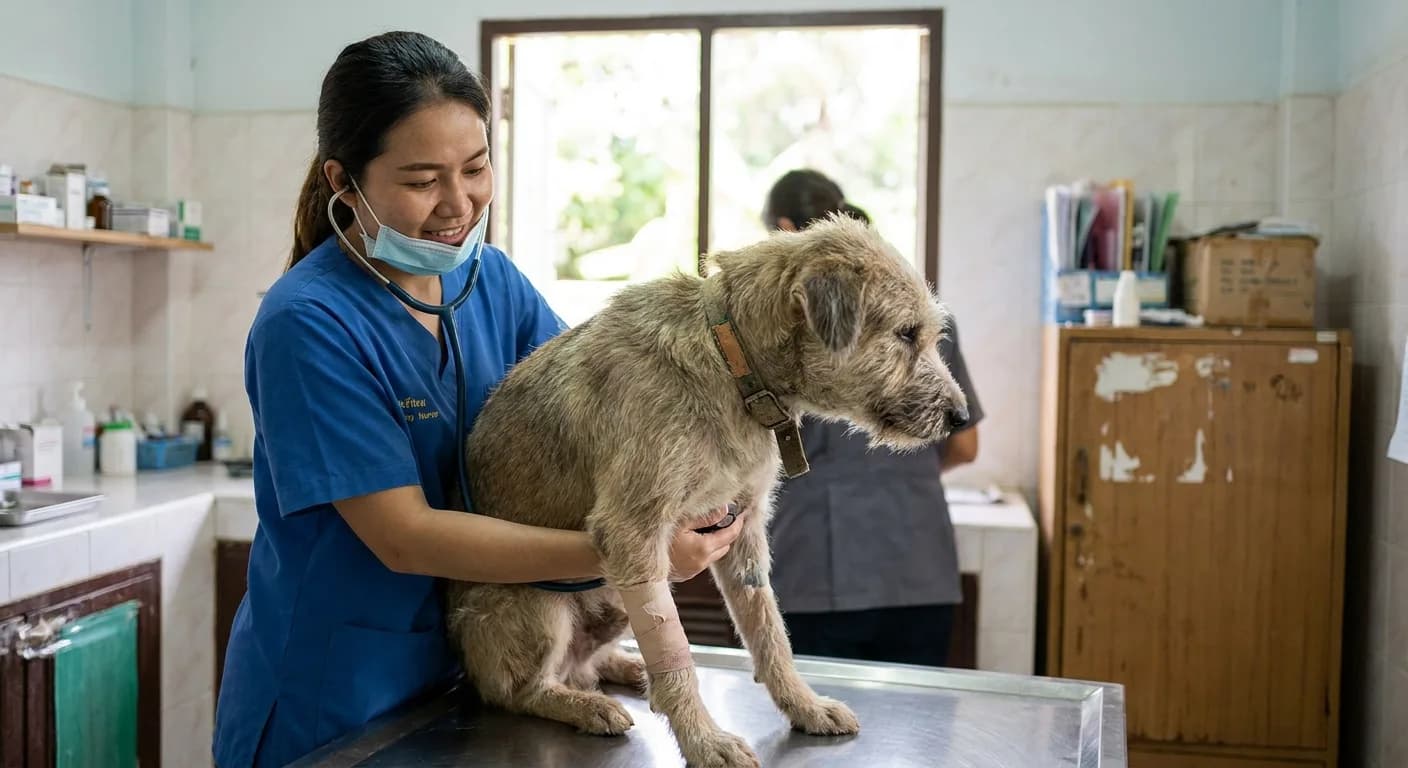
Life on the streets is harsh and unforgiving for animals. Without the protection of a home, stray dogs and cats face daily battles for survival that compromise every aspect of their health. They scavenge for food in garbage heaps, drink contaminated water, and sleep exposed to the elements. They fight with other animals for territory and resources, sustaining injuries that often become infected. They contract parasites from the environment and other animals, and they have no protection against deadly infectious diseases.
In Thailand's tropical climate, these challenges are intensified. High temperatures and humidity create perfect breeding grounds for parasites and bacteria. Monsoon rains flood the areas where street animals shelter, increasing exposure to waterborne diseases. The abundance of stray animals means diseases spread rapidly through populations. When a rescued animal arrives at a veterinary clinic, the medical team must be prepared to address multiple interconnected health issues simultaneously.
Parasitic Infections: The Silent Epidemic
Perhaps no health issue is more universal among street animals than parasitic infection. Virtually every rescued stray will have some form of parasite, often multiple types at once. Internal parasites like roundworms, hookworms, tapeworms, and whipworms are extremely common, living in the digestive tract and stealing vital nutrients from already malnourished animals. Heavy worm burdens can cause severe anemia, chronic diarrhea, intestinal blockages, and even death, particularly in puppies and kittens whose small bodies cannot withstand the burden.
External parasites present equally serious challenges. Fleas cause intense itching and can transmit tapeworms and blood parasites. Ticks are particularly dangerous in Thailand, carrying diseases like ehrlichiosis, babesiosis, and anaplasmosis that can cause organ failure if left untreated. Mange mites burrow into the skin, causing the horrific hair loss and painful skin lesions that many rescued strays display. Treatment for parasites must be comprehensive and often ongoing, as reinfection is common until the animal is placed in a clean, controlled environment.
Heartworm disease deserves special mention as one of the most serious parasitic conditions affecting dogs in Thailand. Transmitted by mosquitoes, heartworms grow and multiply in the heart and lungs, eventually causing heart failure. Treatment is expensive, risky, and requires months of strict rest. Prevention through monthly medication is far preferable, but street dogs obviously receive no preventive care. Testing every rescued dog for heartworm and beginning appropriate treatment or prevention is a critical first step in their medical care.
Skin Conditions and Dermatological Health
The visible suffering of street animals often manifests most dramatically in their skin. Mange, caused by microscopic mites, can transform a dog or cat into an almost unrecognizable creature, stripped of fur and covered in thickened, crusted, bleeding skin. Demodectic mange, caused by mites that normally live harmlessly on the skin, erupts when an animal's immune system is compromised by stress and malnutrition. Sarcoptic mange is highly contagious and intensely itchy, causing animals to scratch themselves raw. Both conditions require extended treatment with medications and medicated baths.
Bacterial and fungal skin infections frequently accompany or follow parasitic conditions. Hot spots, areas of acute moist dermatitis, develop when animals lick, scratch, or chew irritated areas until the skin breaks down. Ringworm, despite its name a fungal infection rather than a worm, spreads easily between animals and can be transmitted to humans. Skin allergies, whether to environmental triggers or food ingredients, cause chronic itching and secondary infections. Diagnosing the specific cause or causes of a skin condition requires careful examination and sometimes laboratory testing.
The transformation of an animal's skin and coat during proper treatment is one of the most rewarding aspects of rescue work. An animal that arrives nearly hairless, covered in sores, and clearly miserable can emerge weeks or months later with a healthy, glossy coat and obvious comfort in their own skin. These dramatic before and after comparisons powerfully illustrate the impact of proper veterinary care and inspire continued support for rescue efforts.
Malnutrition and Its Consequences
Street animals rarely receive adequate nutrition. They survive on whatever scraps they can find, which typically means spoiled food, garbage, and occasional handouts from compassionate humans. This inconsistent, nutritionally deficient diet affects every system in their bodies. Protein deficiency causes muscle wasting and poor coat quality. Calcium deficiency in growing puppies and kittens leads to skeletal deformities and fractures. Vitamin deficiencies cause a host of problems from vision loss to immune system dysfunction.
Addressing malnutrition requires more than simply providing food. Severely malnourished animals cannot immediately process rich or fatty foods and may develop life-threatening complications if fed too much too quickly. A condition called refeeding syndrome can cause fatal electrolyte imbalances in animals whose bodies have adapted to starvation. Veterinarians must carefully plan nutritional rehabilitation, gradually introducing appropriate foods and monitoring the animal's response. Supplements may be needed to address specific deficiencies.
Puppies and kittens born to malnourished mothers face particular challenges. They may arrive in the world undersized and weak, lacking the nutritional reserves to thrive. Some suffer from developmental delays that affect them throughout their lives. Others, given proper nutrition from an early age, can catch up remarkably well. Bottle-feeding orphaned young animals is intensive work, requiring feedings every few hours around the clock, but seeing them grow strong and healthy makes every sleepless night worthwhile.
Infectious Diseases: Prevention and Treatment
Street animals have no protection against the infectious diseases that can spread rapidly through stray populations. Canine distemper, a viral disease affecting multiple organ systems, remains common in Thailand and is frequently fatal, especially in young dogs. Parvovirus causes severe vomiting and bloody diarrhea, with mortality rates as high as ninety percent in untreated puppies. These diseases are preventable through vaccination but devastating when they occur in unvaccinated animals.
Feline panleukopenia, similar to canine parvovirus, poses the same threat to cats. Upper respiratory infections, while less commonly fatal, cause significant suffering and spread easily in multi-cat environments. Feline leukemia virus and feline immunodeficiency virus are retroviral infections that compromise the immune system and shorten lifespans. Testing for these viruses helps rescuers understand each cat's health status and make informed decisions about care and placement.
Tick-borne diseases deserve special emphasis given their prevalence in Thailand. Ehrlichiosis affects both dogs and cats, causing fever, lethargy, bleeding disorders, and eventually organ failure if untreated. Early detection through blood testing and appropriate antibiotic treatment can be curative, but the disease often becomes chronic if not caught quickly. Testing every rescued animal for tick-borne diseases is standard practice at quality rescue organizations.
Injuries and Trauma
Street animals frequently bear the physical scars of their difficult lives. Traffic accidents are tragically common, resulting in broken bones, internal injuries, and amputations. Fights with other animals leave bite wounds that can become severely infected. Some animals show evidence of deliberate human cruelty, burns or cuts that can only have been intentionally inflicted. Old injuries that healed incorrectly may cause chronic pain and mobility issues.
Treating traumatic injuries often requires surgical intervention. Broken bones may need to be stabilized with pins, plates, or external fixators. Severely damaged limbs sometimes cannot be saved and must be amputated. Internal injuries may require emergency surgery to repair ruptured organs or stop internal bleeding. These procedures are expensive and require skilled veterinary surgeons, but they can be life-saving for animals who would otherwise die of their injuries.
Remarkably, animals show incredible resilience in recovering from even severe injuries. Three-legged dogs learn to run and play with enthusiasm. Cats who lost eyes to infection adapt quickly to their altered vision. Animals who have clearly suffered at human hands often still learn to trust again, given time and gentle care. Their capacity for forgiveness and joy despite past suffering is one of the most humbling aspects of rescue work.
Dental Health: The Overlooked Issue
Dental disease is extremely common in rescued animals yet often overlooked. Street animals have no opportunity for dental care, and their diet of hard scraps and garbage takes a toll on their teeth and gums. Periodontal disease causes pain, tooth loss, and chronic infection that can spread to the heart, kidneys, and other organs. Many rescued animals arrive with teeth so rotten they must be extracted, mouths so infected that antibiotics are necessary before any other treatment can begin.
Dental procedures require general anesthesia, adding cost and risk to rescue operations. However, the improvement in quality of life for animals who receive dental care is dramatic. Animals who have been eating painfully for years suddenly enjoy their meals again. Bad breath that made them difficult to adopt disappears. The chronic low-grade infection that was taxing their immune system is resolved. Dental care should be considered an essential part of comprehensive veterinary treatment for rescued animals.
The Importance of Spay and Neuter
No discussion of street animal health would be complete without addressing reproduction. Uncontrolled breeding is the root cause of the street animal overpopulation crisis. Female dogs and cats who have been reproducing since they reached maturity suffer tremendous physical stress. Multiple pregnancies and nursing depletes their bodies of nutrients and shortens their lifespans. Males who have not been neutered roam farther, fight more, and face greater risks of injury and disease transmission.
Spaying and neutering every rescued animal before adoption is a fundamental responsibility of ethical rescue organizations. This prevents the adopted animal from contributing to overpopulation and protects them from reproductive cancers and infections. For female animals, the health benefits include eliminating the risk of pyometra, a life-threatening uterine infection, and dramatically reducing the risk of mammary cancer. For males, neutering reduces prostate problems and eliminates testicular cancer risk.
Conclusion: The Transformation of Proper Care
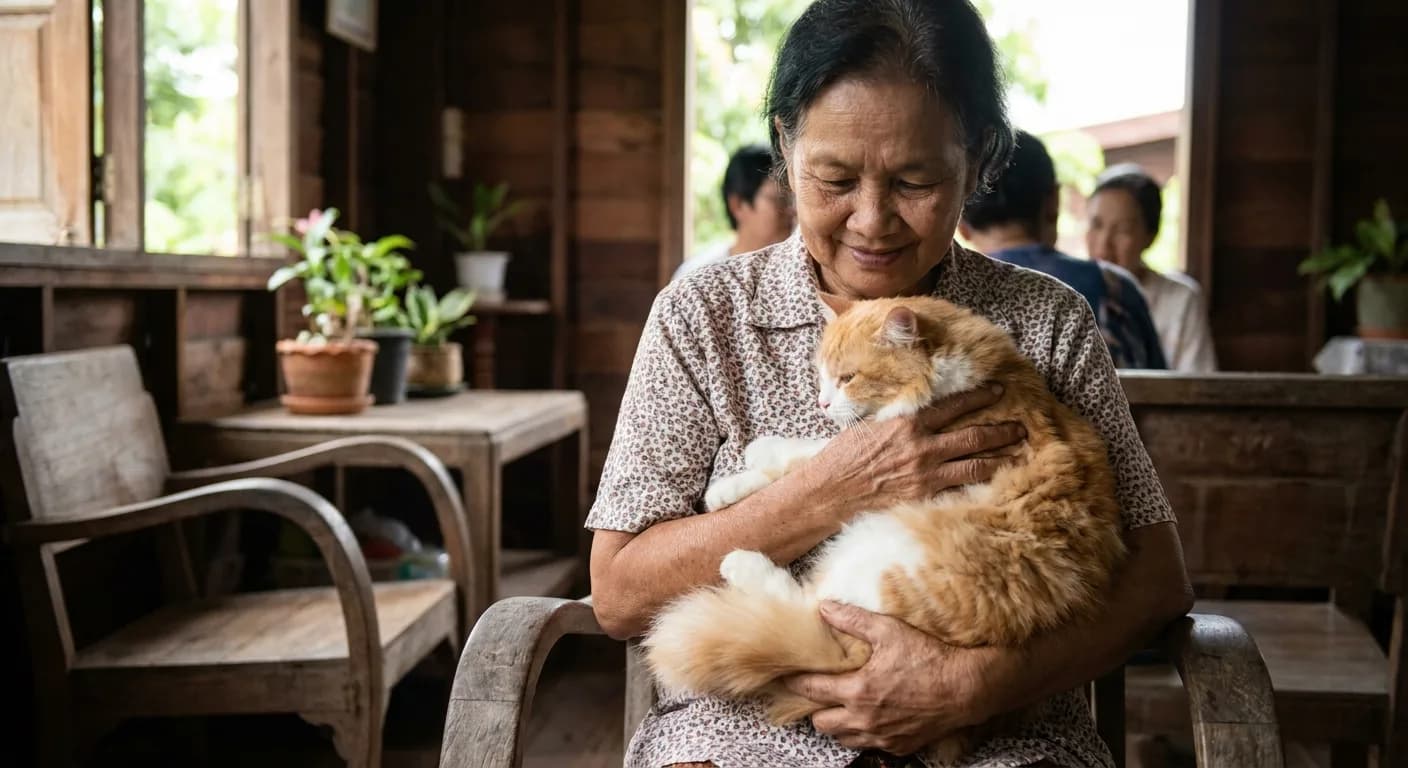

The health challenges faced by rescued street animals can seem overwhelming. The list of potential conditions is long, treatment can be expensive and time-consuming, and some animals arrive in conditions so severe that saving them seems impossible. Yet day after day, animals who were once suffering on the streets are transformed by proper veterinary care into healthy, happy pets ready for loving homes.
This transformation is the heart of rescue work. A dog who arrived hairless from mange now sports a shining coat. A cat who was starving now maintains a healthy weight. A puppy who survived parvo now plays with boundless energy. Every successful treatment represents not just medical expertise but hope realized, suffering relieved, and a life renewed. Understanding the health needs of rescued animals helps us appreciate the magnitude of this transformation and the importance of supporting the organizations that make it possible. You can see how we treat, sterilise and rehome street animals in Phuket, stage by stage.
About the Author
Dr. Pimsiri Tanaka
Dr. Pimsiri is a veterinary specialist with expertise in tropical animal diseases and rescue medicine, and trains veterinary students in best practices for street animal care.