Rescue is the first step, not the whole job
An animal that comes off the street usually needs months of care before it is ready for a home. Here is what happens between those two points.
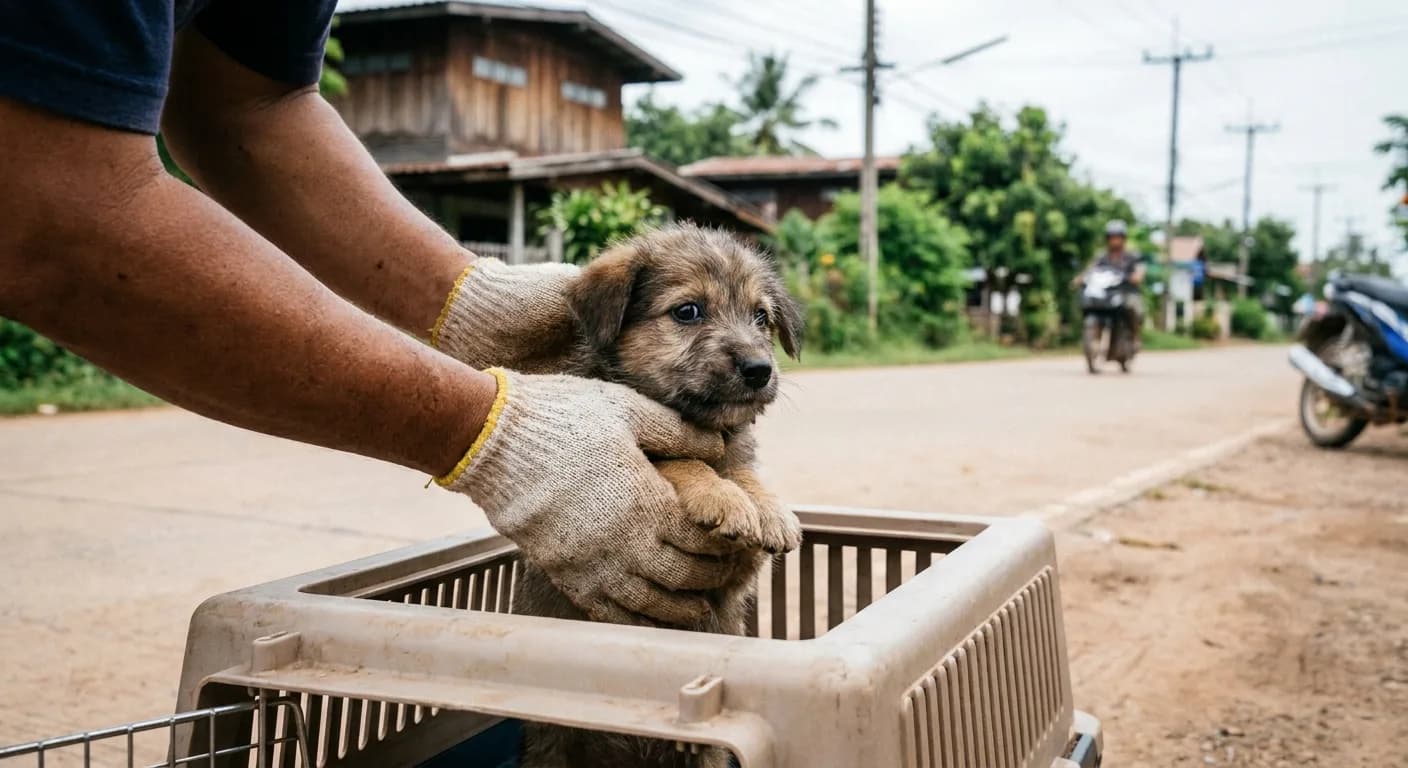
Stage one
Rescuing street animals across Phuket
Most of our animals come to us after a phone call — an injured dog beside a road, a litter found behind a restaurant, a cat that has stopped moving. We go out, assess the animal on the spot, and bring it somewhere safe.
Some are frightened and take hours to approach. We would rather spend the afternoon earning an animal's trust than corner it.
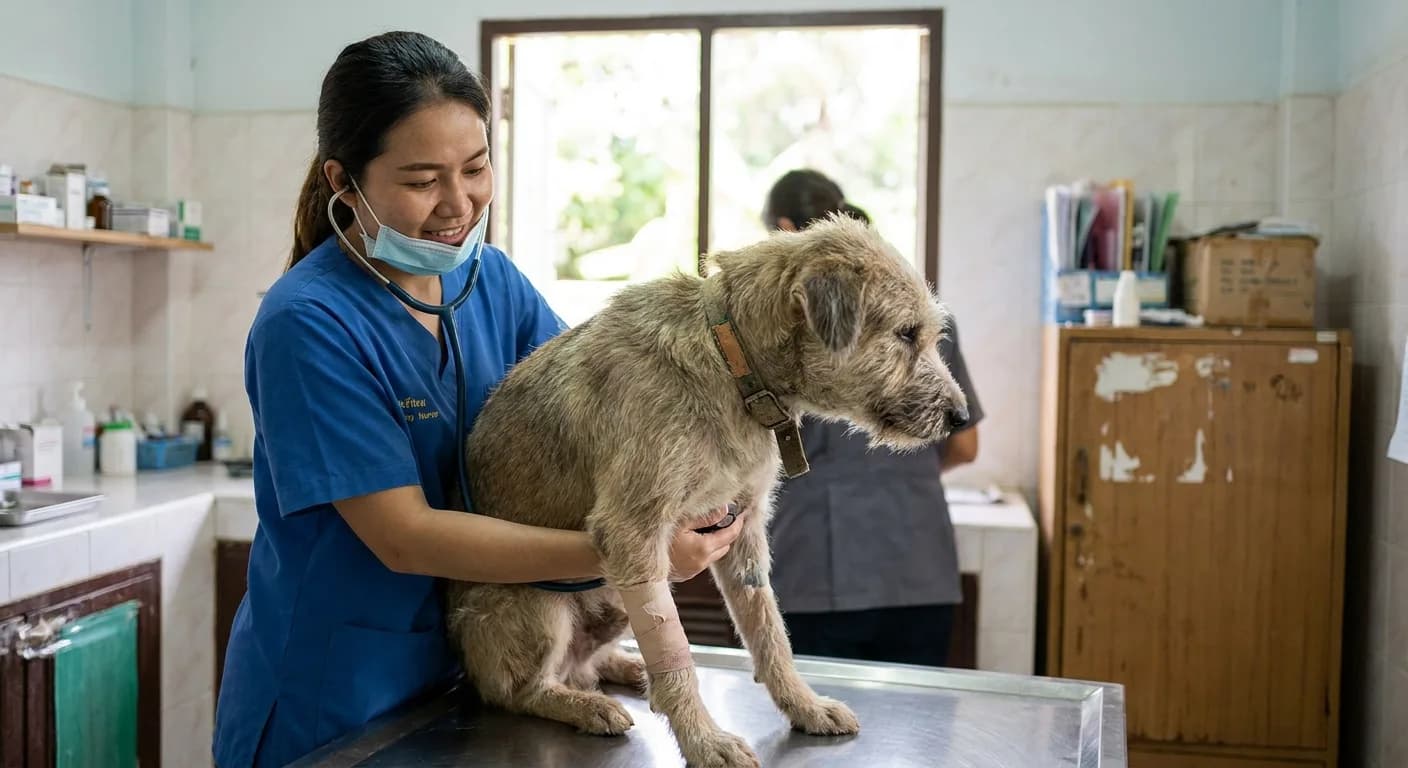
Stage two
Veterinary care for Phuket's street dogs and cats
Every animal is examined, treated, vaccinated and sterilised. Injuries are dealt with first; parasites, skin conditions and malnutrition usually come next.
Sterilisation is the least visible thing we do and the most important. One sterilised street dog prevents dozens of puppies born into the same conditions.
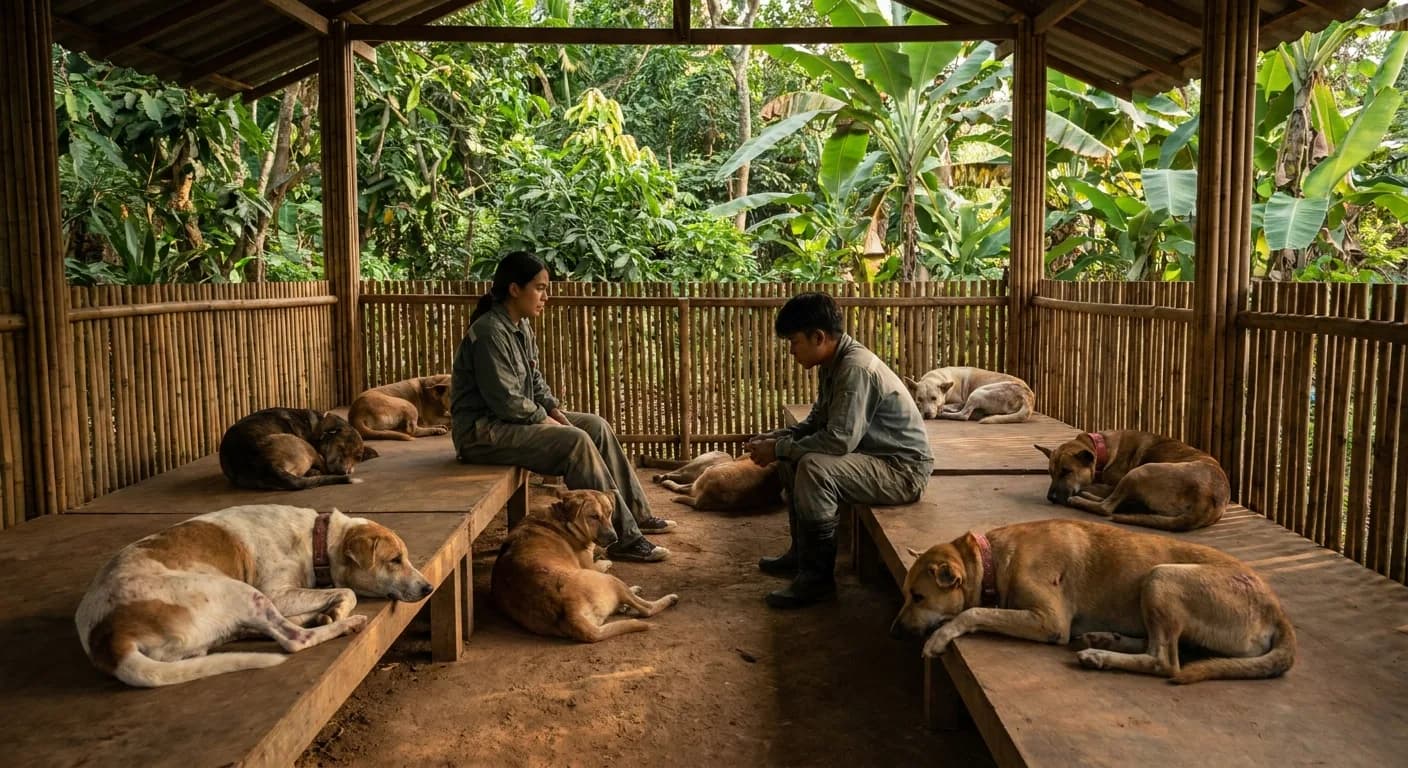
Stage three
Sanctuary life and daily care in Phuket
Recovery is not only medical. Animals that have lived on the street need time, routine and food they can count on before they are ready to live with people.
That means feeding, cleaning and quiet handling every single day — the least visible part of the work, and the part that never stops.
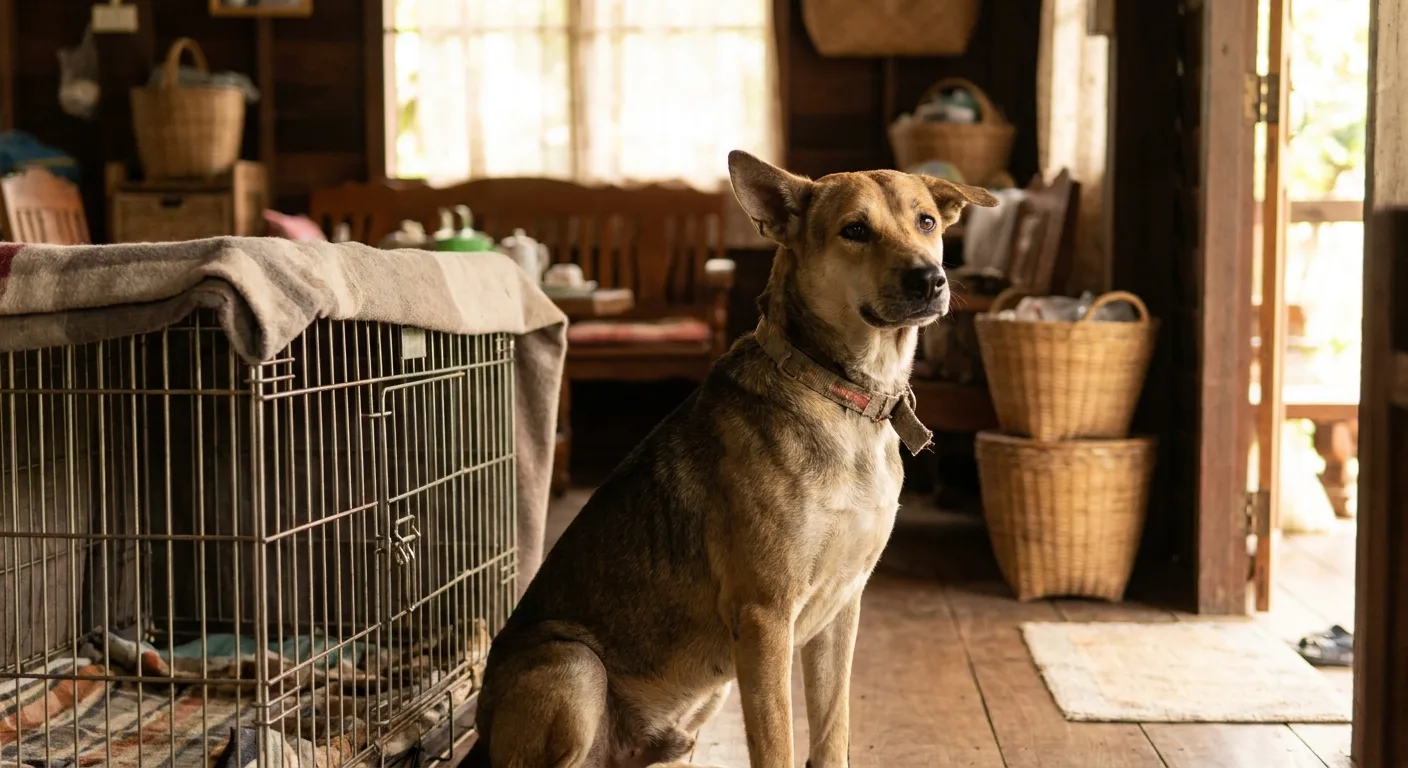
Stage four
Adopting a rescue dog or cat in Thailand
When an animal is healthy and settled we look for the right home rather than the first one. We ask questions, we visit where we can, and we stay reachable afterwards.
Animals that are never quite ready for a household stay with us. That is part of the promise.