
The Silent Crisis on Thailand's Streets
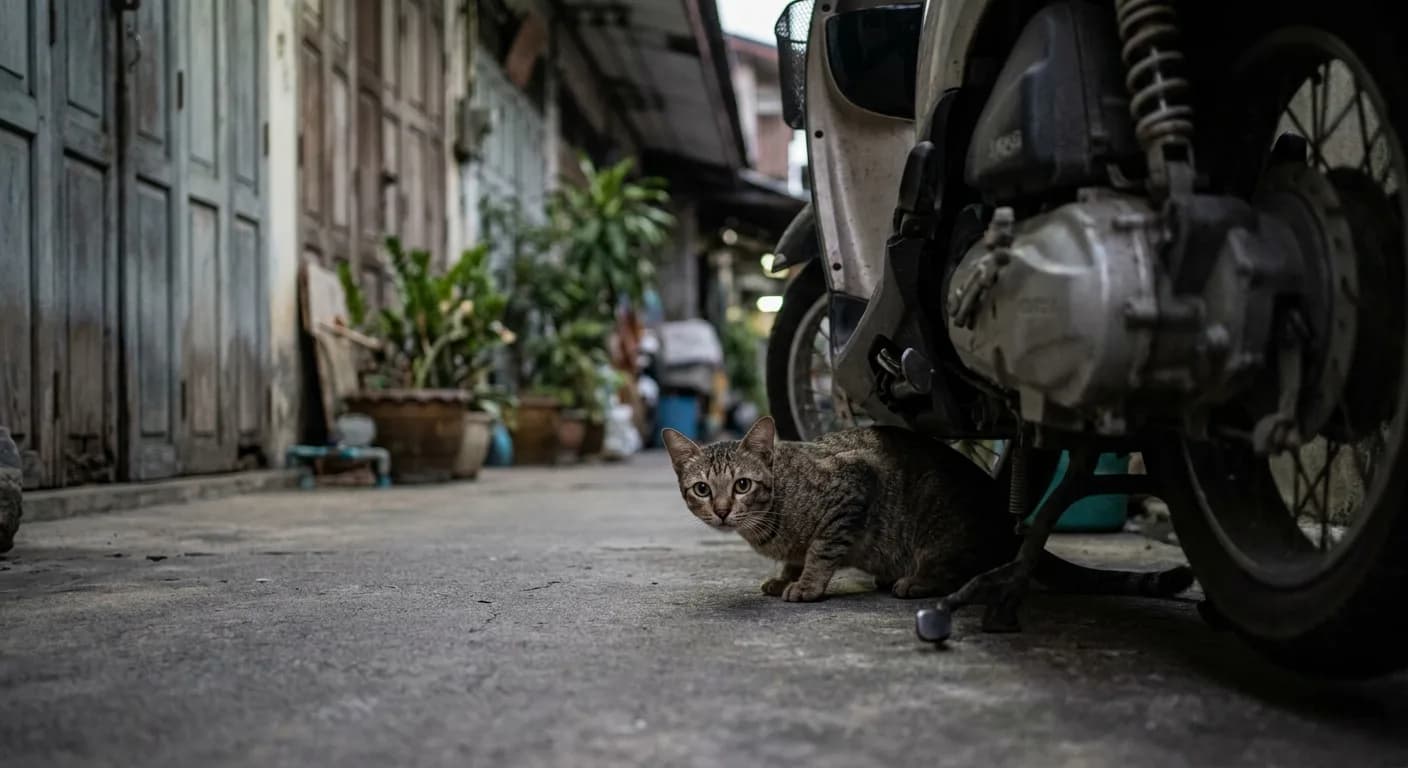
Thailand is world-renowned for its beautiful temples and vibrant street culture, but there is a shadow that follows its beauty: the millions of stray dogs and cats—often called "Soi animals"—that roam the streets. What began as a local management issue has evolved into a significant national crisis affecting animal welfare, public health, and the environment.
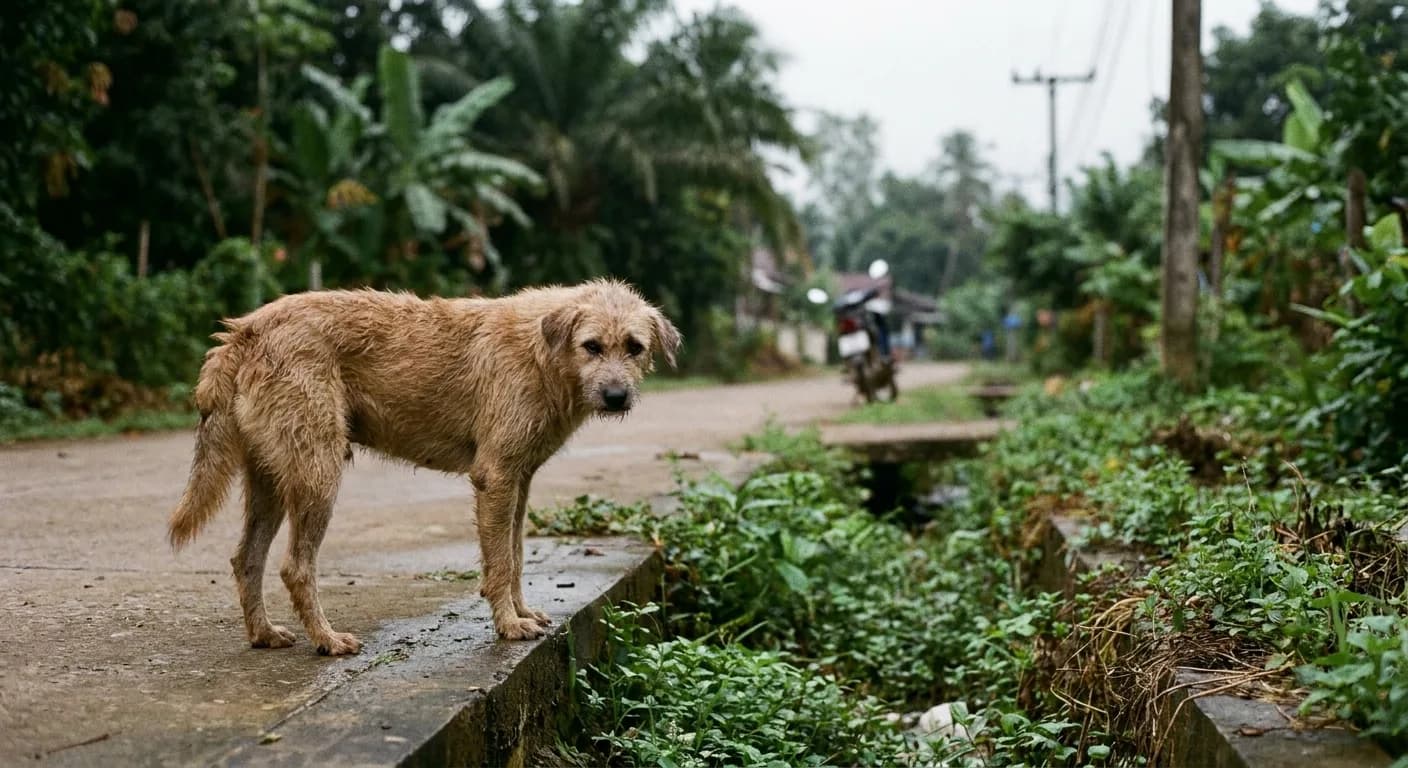
A common sight in many Thai cities: a stray dog finding a moment of rest in a quiet alleyway.
The Growing Population of Unowned Animals
The number of homeless animals in Thailand has seen a dramatic increase over the last decade. Estimates suggest there are millions of stray dogs and cats nationwide. This surge is primarily driven by uncontrolled breeding and a lack of widespread sterilization programs. Without consistent neutering efforts, a single pair of stray cats or dogs can lead to hundreds of descendants in just a few years.
Inadequate Care and Suffering
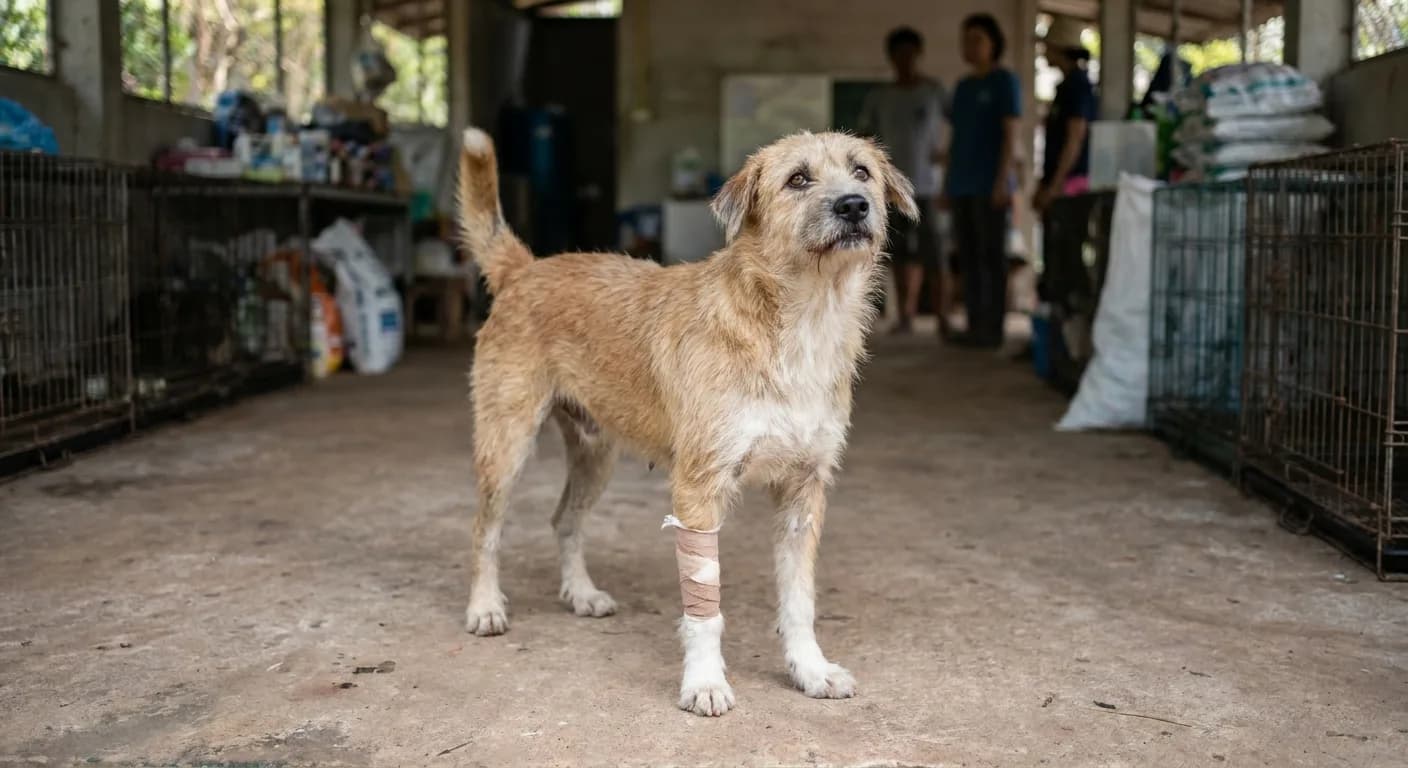
Life on the streets is anything but easy. These animals face extreme weather, hunger, and abuse. Many suffer from severe skin conditions, injuries from road accidents, and malnutrition. While local communities often provide scrap food, it is rarely enough to meet their nutritional needs or provide the medical attention required for a healthy life.
Public Health Risks and Zoonotic Diseases
The presence of large unvaccinated populations of animals poses a direct risk to public health. Rabies remains a persistent threat in many provinces, despite ongoing government efforts. Beyond rabies, stray animals can spread other zoonotic diseases and parasites to both humans and household pets, making the management of street populations a critical health priority.
Social and Environmental Impacts
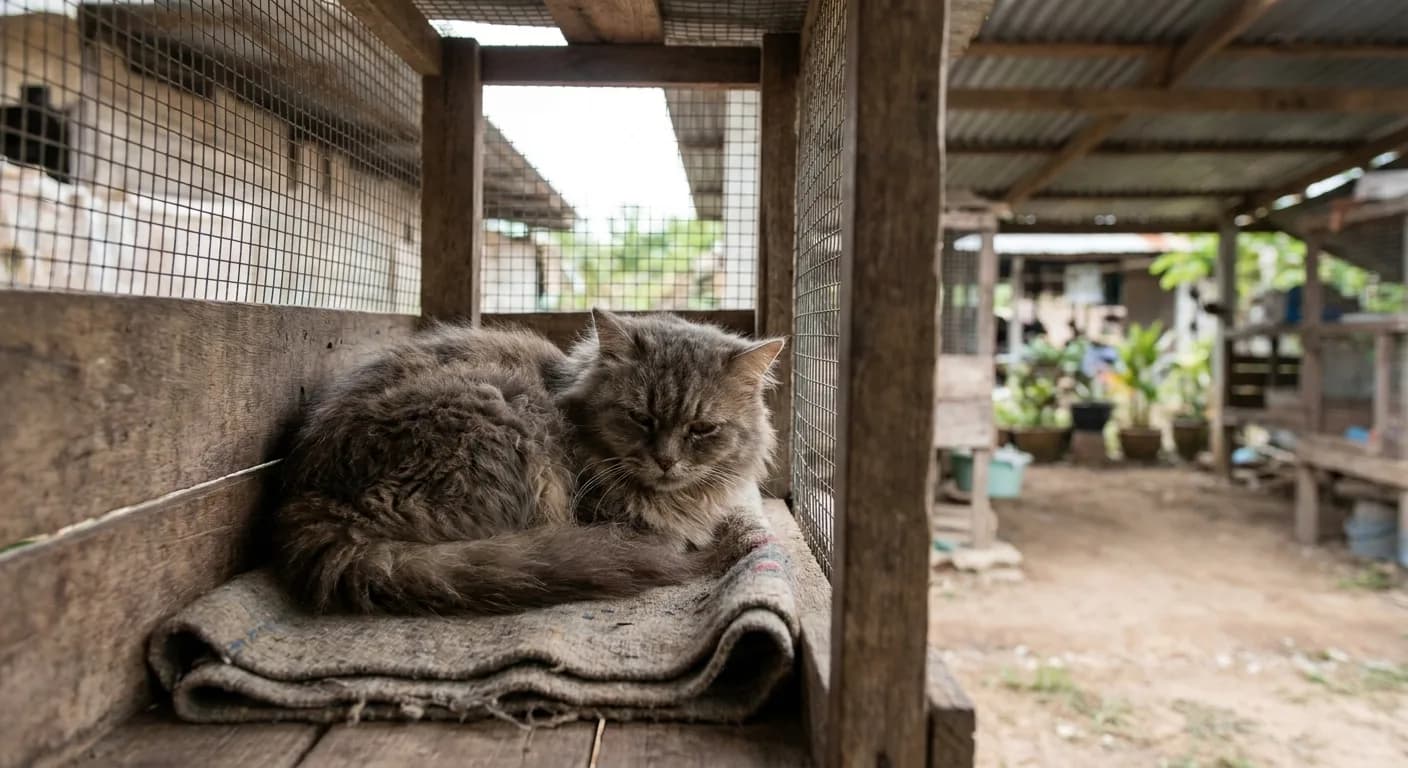
The issue extends beyond individual animal suffering. Stray populations can lead to social conflicts within neighborhoods due to noise, waste, and aggressive behavior. Environmentally, stray animals—particularly cats—can have a devastating impact on local wildlife populations, including birds and small reptiles, disrupting local ecosystems.
A Path Toward Change
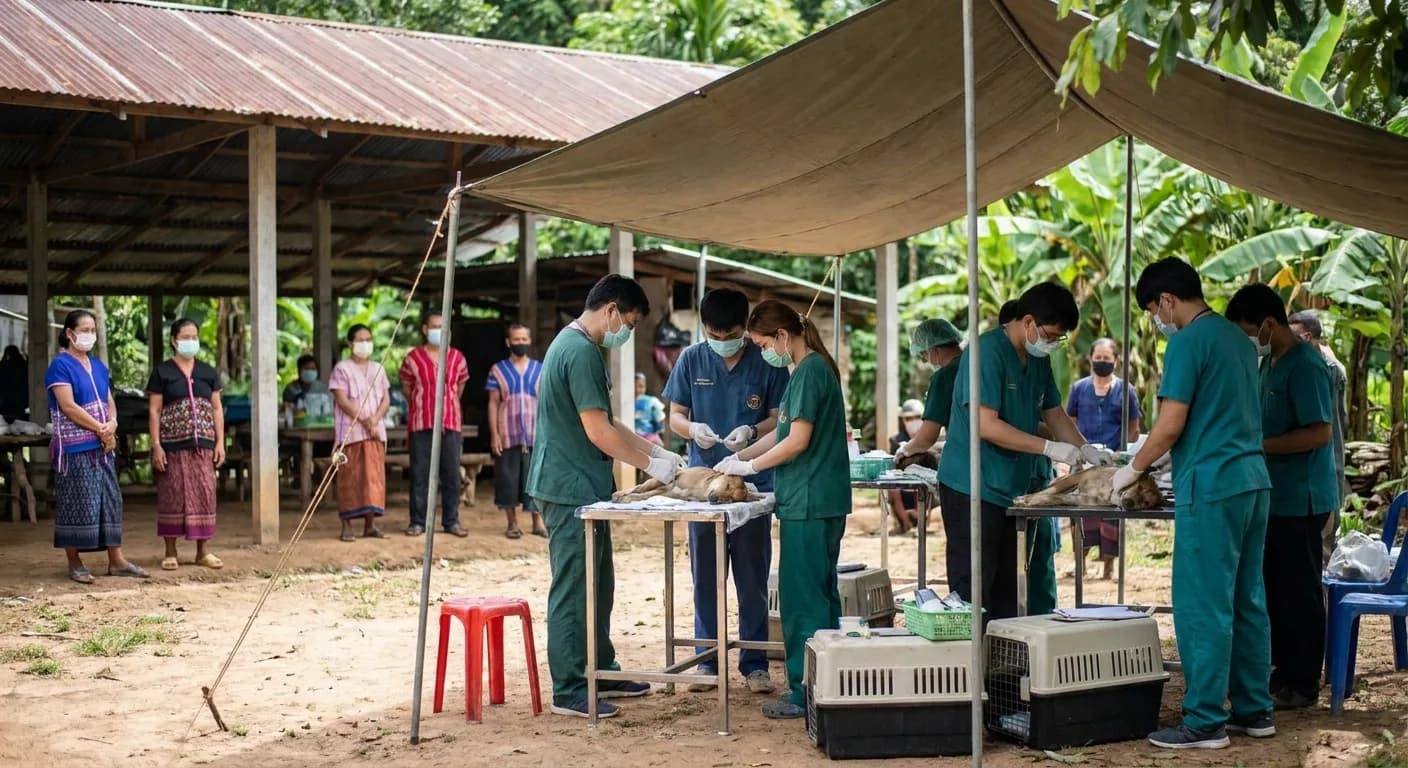
Solving the stray animal crisis in Thailand requires a multi-faceted approach:
- Mass Sterilization: The most effective way to manage population growth.
- Public Education: Promoting responsible pet ownership to prevent abandonment.
- Adoption Programs: Encouraging people to adopt instead of buying from breeders.
- Vaccination Campaigns: Ensuring all street animals are protected against rabies and other diseases.
At ACR Thailand, we are committed to being part of the solution. Through your support, we can continue our rescue missions and provide these animals with the safety and care they deserve. You can follow how a street animal in Phuket moves from rescue to a new home, stage by stage.