Complete Guide to Rescuing Stray Dogs and Cats in Thailand

Thailand is home to millions of stray dogs and cats that roam the streets, temples, and markets. While many communities care for these animals, countless others suffer from hunger, disease, and neglect. This comprehensive guide will equip you with the knowledge and techniques needed to safely rescue homeless animals and give them a chance at a better life.
Understanding the Stray Animal Situation in Thailand
Before embarking on any rescue mission, it is crucial to understand the unique context of stray animals in Thailand. Unlike many Western countries where stray animals are quickly collected by animal control, Thailand has a different cultural approach. Buddhism influences many Thai people to show compassion to animals, leading to informal feeding programs at temples, markets, and residential areas. However, this compassion alone cannot address the underlying issues of overpopulation, disease, and suffering that many stray animals face daily.
The stray population continues to grow due to limited spay and neuter programs and the cultural reluctance to euthanize animals. As a result, many animals live in challenging conditions, competing for food, shelter, and territory while facing risks from traffic, disease, and human cruelty.
Step One: Initial Assessment and Observation

The first and most critical step in any rescue operation is careful assessment. Before approaching any animal, spend time observing from a distance. This observation period serves multiple purposes: it helps you understand the animal's behavior patterns, assess its health condition, and determine the level of human socialization. A dog or cat that appears comfortable around people will require different handling than one that is fearful or aggressive.
During your observation, look for signs of illness or injury. Common indicators include limping, visible wounds, discharge from eyes or nose, patches of missing fur, extreme lethargy, or unusual behavior. Also note the animal's body condition: can you see ribs prominently, or does the animal appear malnourished? Does it have a distended belly that might indicate parasites or pregnancy? These observations will help you prepare appropriate resources and inform veterinary staff about what to expect.
Consider the environment as well. Is the animal living alone or part of a group? Is there evidence of community feeding? Are there hazards nearby such as busy roads or aggressive animals? Understanding the full picture will help you plan a safe and effective rescue.
Step Two: Preparing for the Rescue
Proper preparation can mean the difference between a successful rescue and a dangerous situation. Always assemble your supplies before attempting to capture any animal. Essential items include thick leather gloves to protect against bites and scratches, a secure carrier or crate appropriate for the animal's size, a slip lead or catch pole for dogs, a towel or blanket for wrapping frightened cats, high-value treats like cooked chicken or canned food, fresh water, and basic first aid supplies.
Beyond physical supplies, prepare yourself mentally and emotionally. Rescue work can be stressful and sometimes heartbreaking. Not every rescue will go smoothly, and not every animal can be saved. Having realistic expectations and emotional resilience will help you stay effective and continue doing this important work over time.
Finally, have a plan for what happens after the rescue. Identify a veterinary clinic that can see the animal, preferably one experienced with rescue cases. Know whether you will be fostering the animal yourself or if you have arranged shelter space. Having these logistics sorted beforehand prevents scrambling during what can already be a chaotic situation.
Step Three: Safe Capture Techniques
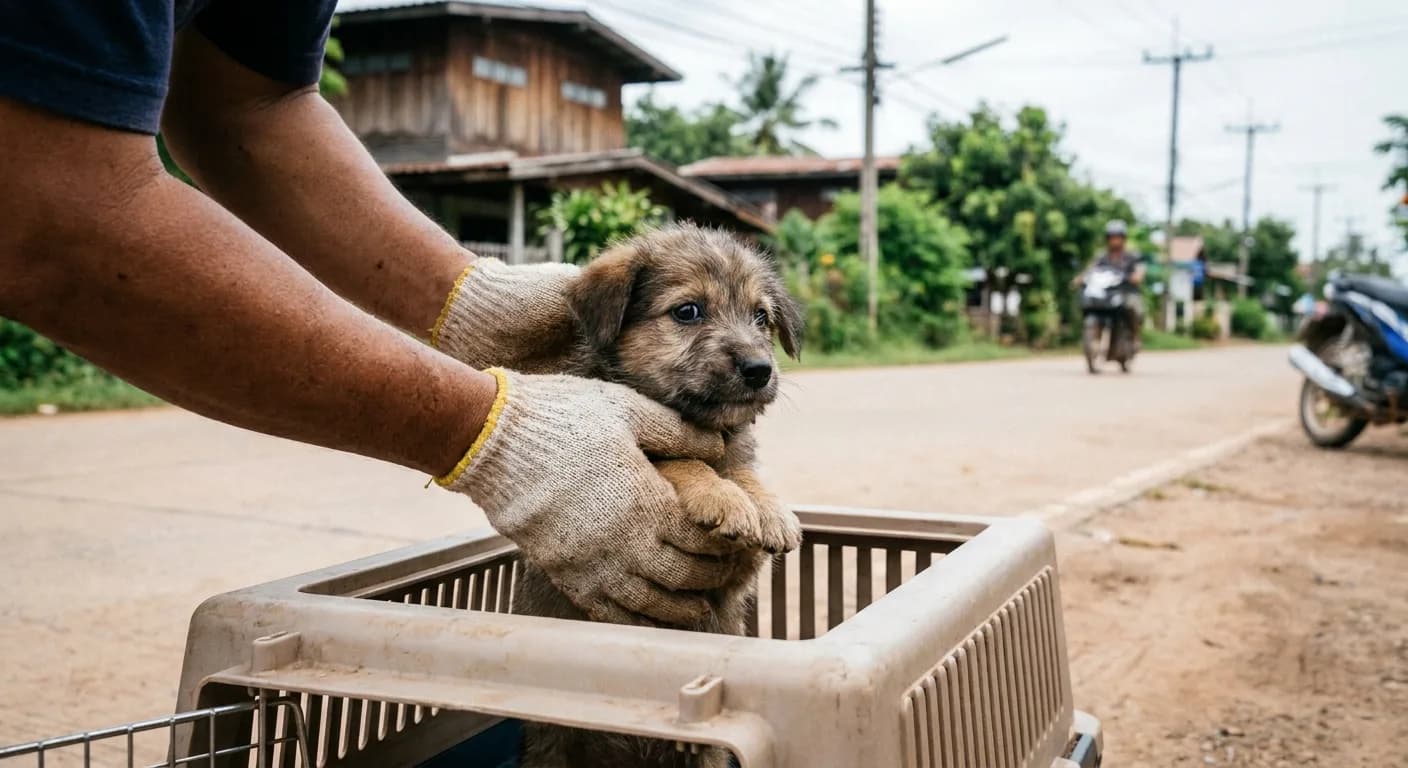

The approach you take will depend entirely on the animal's temperament and level of socialization. For friendly dogs that approach humans willingly, you may simply need to gain their trust with food and gentle words before slipping a lead over their head. Move slowly and avoid direct eye contact, which can be perceived as threatening. Let the dog smell your closed fist before attempting to touch it, and always approach from the side rather than head-on.
Fearful dogs require more patience and strategy. Never chase a frightened dog, as this will only increase its fear and potentially cause it to run into traffic or other dangerous situations. Instead, create a confined area if possible, using temporary barriers or choosing a location with natural boundaries. Sitting quietly and tossing treats can gradually build trust over multiple visits. Some rescuers have success with humane traps baited with irresistible food.
Cats present different challenges. Feral cats are often nearly impossible to capture without humane traps, as they can squeeze through tiny gaps and climb over obstacles. For semi-feral cats, a drop trap triggered by a string from a distance can be effective. Once captured, cats should immediately be covered with a towel or blanket to reduce stress, as darkness has a calming effect on most felines. Never attempt to handle a frightened cat without protection, as cat bites can cause serious infections.
Step Four: Transportation and Initial Care
Once you have safely captured the animal, transport it to a veterinary clinic as quickly as possible. Keep the carrier secure in your vehicle and covered with a light cloth to reduce stress. Speak softly to the animal during transport, and avoid playing loud music or making sudden movements. If the journey is long, ensure adequate ventilation and consider stopping to offer water, though many animals will be too stressed to drink.
Upon arrival at the clinic, provide the veterinary team with all observations from your assessment. Any information about the animal's behavior, eating habits, or health signs you noticed can help them provide better care. Most rescued strays will need a thorough examination, vaccinations, deworming, and testing for common diseases like heartworm, tick fever, and in cats, feline leukemia and FIV. Many will also need treatment for skin conditions, wounds, or other health issues.
Step Five: Rehabilitation and Socialization
Medical care is only the beginning. Many rescued animals need significant rehabilitation before they are ready for adoption. This process varies greatly depending on the individual animal's history and temperament. Some strays adjust to home life within days, eagerly embracing the comfort of a soft bed and regular meals. Others may take weeks or months to feel safe around humans.
For fearful animals, create a quiet space where they can decompress without overwhelming stimulation. Let them approach you rather than forcing interaction. Establish predictable routines around feeding and care, as consistency helps build trust. Celebrate small victories, whether it is the first time a dog accepts a treat from your hand or a cat ventures out from its hiding spot.
Throughout rehabilitation, document the animal's progress. Take photos and videos, note behavioral changes, and track health improvements. This information will be invaluable when the time comes to find an adopter, as it helps potential families understand the animal's personality and needs.
Step Six: Finding Forever Homes
The ultimate goal of rescue is finding each animal a loving permanent home. This requires careful matching between animals and adopters. Create honest, detailed profiles for each animal, highlighting both their wonderful qualities and any challenges they might present. A dog that is perfect for an active family with a yard might struggle in a small apartment. A cat that loves other felines might be miserable as an only pet.
Screen potential adopters thoroughly. Ask about their living situation, previous pet experience, daily schedule, and long-term plans. Conduct home visits when possible. While this process can seem intrusive, it protects animals from ending up in unsuitable homes or, worse, being abandoned again. Reputable rescue organizations charge reasonable adoption fees that help offset veterinary costs and ensure adopters are committed.
Follow up with adopters after placement. Initial adjustment periods can be challenging, and having support available can prevent returns. Some rescuers maintain ongoing relationships with adopters, receiving updates and photos for years to come. These success stories provide motivation to continue the difficult work of rescue. If you are ready to take that step yourself, you can meet the rescue dogs and cats in Phuket looking for a home.
Conclusion: Every Life Matters
Rescuing stray animals in Thailand is challenging, emotionally demanding, and often heartbreaking work. Resources are limited, the number of animals in need seems endless, and not every story has a happy ending. Yet every single animal deserves a chance at a better life, and every successful rescue represents a life transformed.
Whether you rescue one animal or one hundred, you are making a difference. Your compassion ripples outward, inspiring others to care, educating communities about animal welfare, and slowly shifting attitudes toward more humane treatment of all creatures. Together, one rescue at a time, we can create a Thailand where no animal suffers alone on the streets.
About the Author
Dr. Somchai Rattanakorn
Dr. Somchai is a veterinarian working in animal rescue and welfare in Thailand, and leads the medical team at ACR Thailand.