Building Trust: Rehabilitating Fearful Rescue Animals
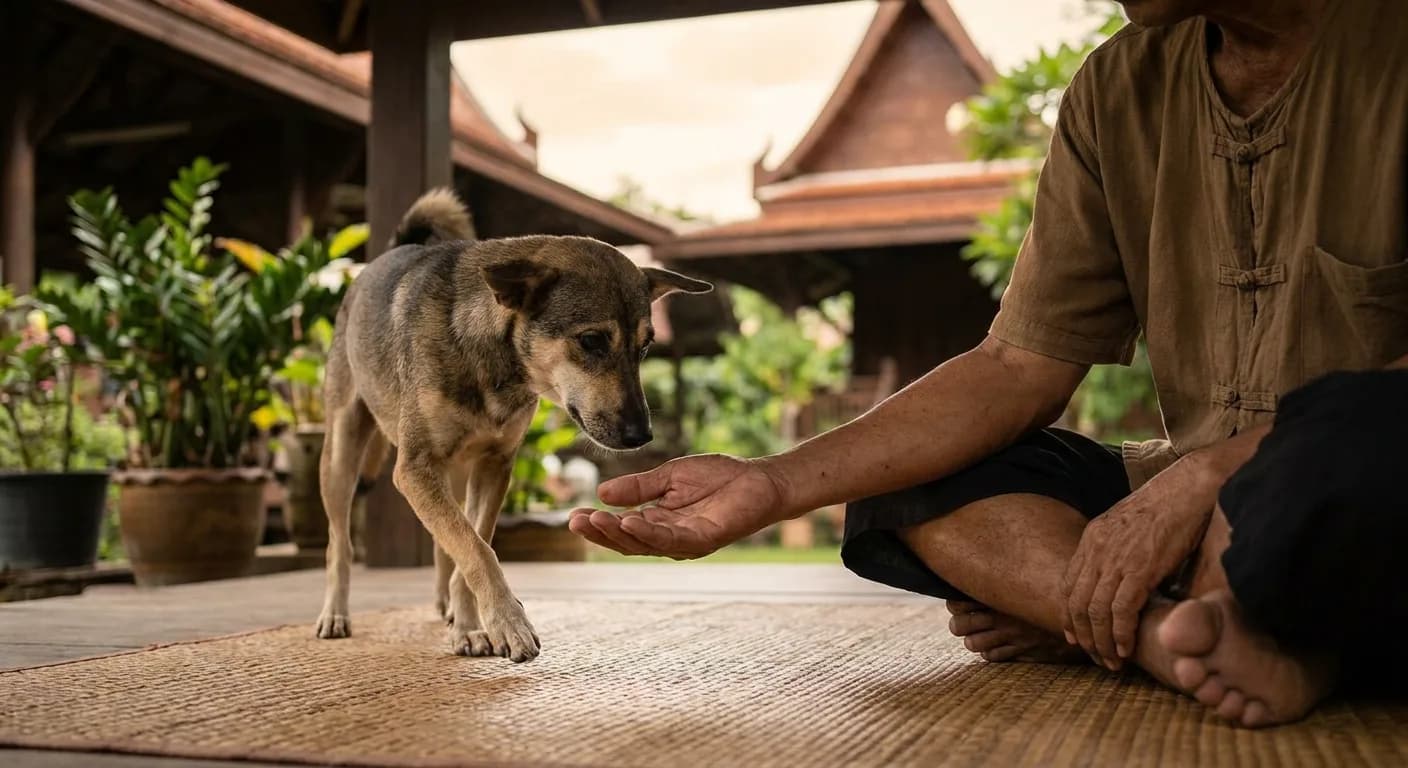
Among the most challenging and rewarding aspects of animal rescue is helping fearful animals learn to trust humans again. Many rescued dogs and cats arrive at shelters with deep psychological wounds from their experiences on the streets or, in some cases, from abuse and neglect. These animals require patient, skilled rehabilitation before they can become the loving companions they were meant to be. This guide explores the techniques and principles that can help transform even the most fearful rescue animal.
Understanding Fear in Rescued Animals
Fear in rescued animals manifests in various ways, and understanding these manifestations is the first step toward effective rehabilitation. Some animals display obvious fear behaviors: trembling, cowering, attempting to hide, or running away from human approach. Others may show fear through aggression, growling, snapping, or hissing when they feel threatened. Still others shut down completely, becoming immobile and unresponsive, a survival mechanism sometimes called learned helplessness. Each type of fear response requires a slightly different approach, though the underlying principles remain the same.
The sources of fear in rescued animals are diverse. Street animals may have experienced violence from humans who viewed them as pests. They may have been chased by children, hit by adults, or worse. Animals surrendered by owners may have experienced neglect, isolation, or active abuse. Some animals have been traumatized by specific experiences, such as car accidents or attacks by other animals, and their fear generalizes to anything associated with that trauma. Understanding an animal's specific history, when possible, helps tailor the rehabilitation approach to their individual needs.
It is also important to recognize that fear has a protective function. An animal that has learned that humans can be dangerous is responding rationally to their experience. Their fear kept them alive on the streets or protected them from further harm in abusive situations. Our job is not to eliminate this survival instinct but to help the animal learn that not all situations require a fear response, that safety and comfort are possible, and that some humans can be trusted. This is a gradual process that cannot be rushed.
Creating a Safe Environment
Before any behavioral work can begin, a fearful animal needs a safe space where they can decompress from the stress of rescue and shelter life. This space should be quiet, away from high-traffic areas and other animals. For dogs, a comfortable crate covered with a blanket can provide a den-like refuge. For cats, a small room with hiding spots, such as boxes or covered beds, allows them to observe their surroundings while feeling protected. The space should include comfortable bedding, water, food, and for cats, a clean litter box.
The environment should be predictable and calm. Loud noises, sudden movements, and chaotic activity increase stress and delay recovery. Use soft voices around fearful animals and move slowly and deliberately. Establish consistent routines for feeding, cleaning, and interaction so the animal can learn what to expect. This predictability is deeply reassuring to animals who have lived in unpredictable, threatening environments. Even if the animal is hiding and seems unaware of your presence, they are observing and learning.
Consider the sensory environment as well. Some animals find certain scents calming; synthetic pheromone products like Feliway for cats and Adaptil for dogs can help reduce anxiety. Soft background music or white noise can mask startling sounds from outside the safe space. Dim lighting is often less threatening than bright overhead lights. Every element of the environment should communicate safety to the frightened animal within it.
The Power of Patience and Presence
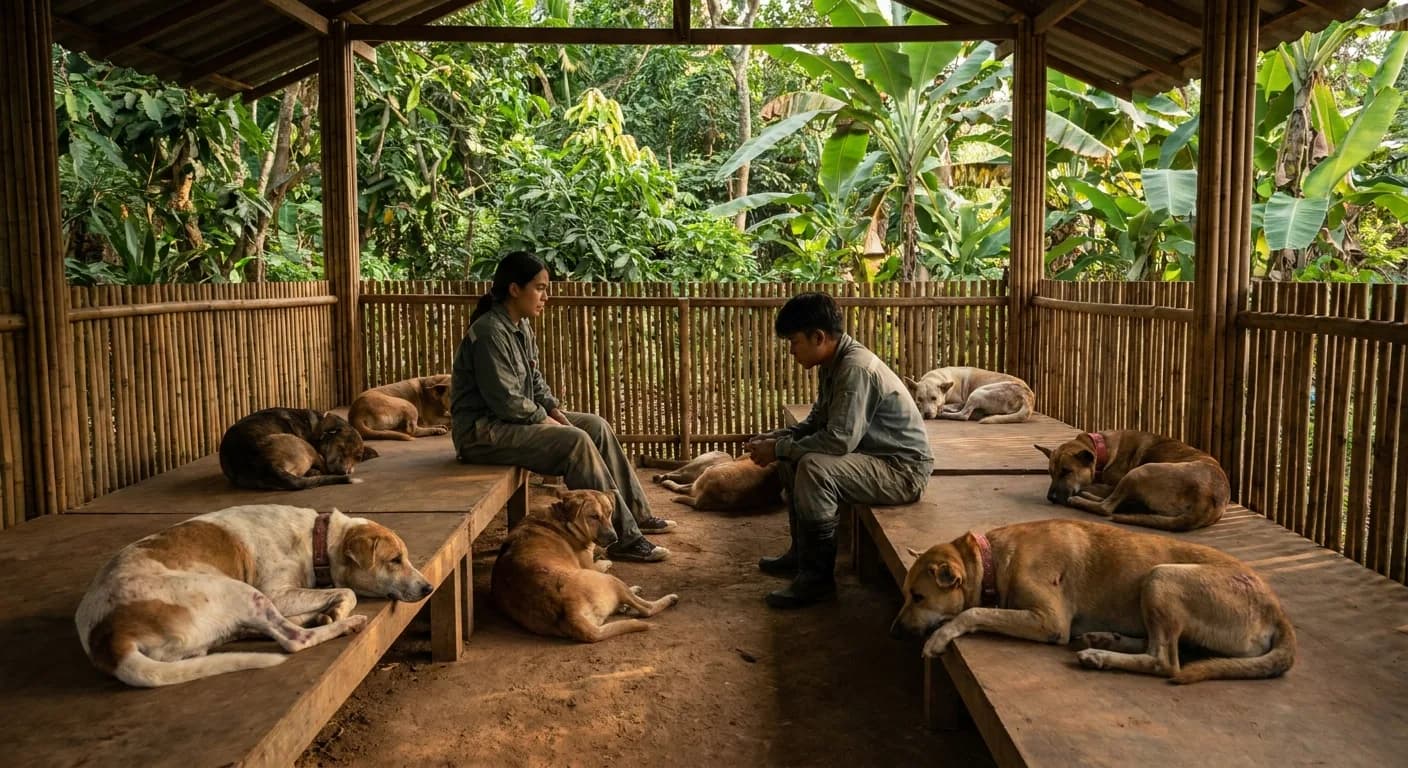
Perhaps the most important tool in rehabilitating fearful animals is also the simplest: patient presence without pressure. Many well-meaning people try too hard to interact with frightened animals, reaching toward them, trying to pet them, or attempting to lure them out of hiding. These approaches, however kindly intended, often backfire by confirming the animal's belief that humans are pushy and threatening. The most effective approach is often to simply exist in the animal's space without demanding anything from them.
This might look like sitting quietly in the room with a fearful cat, reading a book or working on a laptop, while the cat watches from a hiding spot. For a frightened dog, it might mean sitting on the floor at the far end of their enclosure, not making eye contact, not speaking, just being present. Over time, the animal learns that your presence does not predict anything threatening. You become part of the furniture, neutral and unthreatening. Only when this baseline of neutrality is established can positive interactions begin.
This process requires extraordinary patience. Some animals begin showing curiosity within days, while others may take weeks or months to emerge from their shells. There is no rushing this timeline. Attempting to speed the process by forcing interaction will set back progress significantly. Trust must be offered freely by the animal; it cannot be taken from them. Every small step forward, a curious glance, a slight relaxation of posture, a movement toward rather than away, should be celebrated as the victory it represents.
Using Food as a Bridge
Food is one of the most powerful tools for building positive associations with fearful animals. Every living creature must eat, and by becoming the provider of food, humans can begin to represent something positive rather than threatening. However, the way food is used matters enormously. Simply placing food near a fearful animal and walking away teaches them little about human trustworthiness. The goal is to gradually associate your presence more and more closely with the arrival of something wonderful.
Begin by placing food at the farthest distance from the animal at which they will eat while you are present in the room. This might be across the room for some animals, or just outside the door for others. Once the animal eats comfortably at that distance, move the food slightly closer. Progress should be measured in inches, not feet, and should never outpace the animal's comfort. If they stop eating, you have moved too quickly and should return to the previous distance. Over time, the distance between you and the food bowl decreases until you can place food near yourself and the animal will approach to eat.
High-value treats can accelerate this process. Most animals have foods they find irresistible, whether it is rotisserie chicken, canned fish, or freeze-dried liver. These special treats, reserved only for trust-building sessions, create powerful positive associations. Tossing treats, rather than hand-feeding initially, allows the animal to approach the reward without approaching the human too closely. Gradually, treats can be placed closer to your body, then offered on the edge of an outstretched hand, and eventually taken gently from your fingers.
Desensitization and Counter-Conditioning
These two related techniques form the foundation of behavioral rehabilitation for fearful animals. Desensitization involves exposing the animal to the thing they fear at such a low intensity that no fear response is triggered, then very gradually increasing the intensity as tolerance develops. Counter-conditioning pairs the feared stimulus with something wonderful, changing the emotional response from negative to positive. Used together, these techniques can help animals overcome even deeply ingrained fears.
Consider an animal that is terrified of hands reaching toward them, perhaps because they have been hit in the past. Desensitization might begin with simply raising your hand while standing across the room, an intensity so low that the animal notices but does not react fearfully. Counter-conditioning adds that every time the hand rises, a delicious treat appears. Over many sessions, the hand rises from closer distances and eventually reaches toward the animal, always paired with treats, always stopping before fear is triggered. Eventually, the animal learns that an approaching hand predicts wonderful things.
The key to successful desensitization and counter-conditioning is working below the threshold at which fear occurs. This is called staying sub-threshold. If the animal shows signs of fear, the intensity was too high, and future sessions must return to a lower intensity. Progress may seem agonizingly slow, but it is far more effective than flooding the animal with overwhelming stimuli, which can intensify fear rather than resolving it. Every positive experience at low intensity builds the foundation for handling higher intensities in the future.
Reading Body Language
Success in rehabilitating fearful animals depends on the ability to read their body language accurately. Animals communicate constantly through their posture, facial expressions, and movements. Learning to read these signals allows rehabilitators to adjust their approach in real-time, backing off when the animal shows stress and pressing forward gently when the animal shows curiosity or relaxation. Missing these signals leads to mistakes that damage trust.
In dogs, signs of stress include yawning when not tired, lip licking, whale eye where the whites of the eyes show, tucked tail, lowered body posture, and turning away. More obvious fear signs include trembling, cowering, and attempting to escape. Signs of relaxation include loose body posture, soft eyes, relaxed mouth, and wagging tail that moves the whole body. A dog showing curiosity may have forward-facing ears and lean slightly toward the object of interest, body language very different from the tension of fear.
Cats communicate differently but equally clearly. Fearful cats often have dilated pupils, flattened ears, and puffed fur. They may crouch low, tuck their tail, or seek to hide. Relaxed cats have soft eyes that may blink slowly, ears in a neutral position, and loose body posture. A cat showing interest may have forward-facing ears and whiskers. The slow blink, where a cat meets your eyes and slowly closes them, is a profound sign of trust that should be returned in kind. Learning these signals takes time and practice but is essential for effective rehabilitation work.
Working with Different Types of Fear
While the basic principles of rehabilitation apply to all fearful animals, specific techniques may vary depending on the nature and source of the fear. Animals that are generally undersocialized, having had minimal positive contact with humans, often respond well to patient, consistent exposure and positive associations. Their fear is based on unfamiliarity rather than negative experience. Given time and gentle handling, many undersocialized animals blossom into confident, affectionate companions.
Animals with trauma histories present greater challenges. A dog that has been beaten may flinch at any raised hand or object. A cat that was thrown may panic at being picked up. These animals need specific desensitization and counter-conditioning for their particular triggers, in addition to general trust-building work. Progress may be slower and setbacks more common. Some traumatized animals carry their fears throughout their lives, learning to manage rather than fully overcome them. Even partial recovery represents a significant improvement in quality of life.
Animals showing fear-based aggression require especially careful handling. These animals bite or scratch not because they are mean but because they are terrified and see no other option. Working with them requires staying completely safe while still building positive associations. This may mean working through barriers, using tools like target sticks or treat pouches, and moving extremely slowly. Professional behavioral help is often warranted for severely fear-aggressive animals, as mistakes can result in serious injury and further traumatize the animal.
Celebrating Progress and Managing Setbacks
Progress in rehabilitation rarely follows a straight line. There will be breakthrough moments when an animal takes a significant step forward, accepting touch for the first time or coming out of hiding to greet you. There will also be setbacks, times when the animal seems to have regressed to earlier levels of fear. Both are normal parts of the process. Celebrating progress, however small, maintains motivation for the long work ahead. Managing setbacks with patience and understanding prevents them from becoming permanent reversals.
Setbacks often have identifiable causes. A loud noise, a stressful event, or simply a bad day can trigger regression to old fear behaviors. When this happens, return to whatever level of interaction the animal was comfortable with and rebuild from there. Usually, progress comes back faster than it did originally because the neural pathways for positive associations have already been formed. They just need to be reinforced again. Staying calm and consistent during setbacks reassures the animal that safety remains available.
Document progress through photos, videos, and written notes. These records serve multiple purposes: they help track what techniques are working, they provide evidence of improvement that might be hard to see day by day, and they create a narrative that can help potential adopters understand the animal's journey. Some of the most powerful adoption stories begin with images of a terrified animal on intake and end with videos of that same animal playing joyfully, completely transformed by patient rehabilitation.
Conclusion: The Reward of Trust Earned
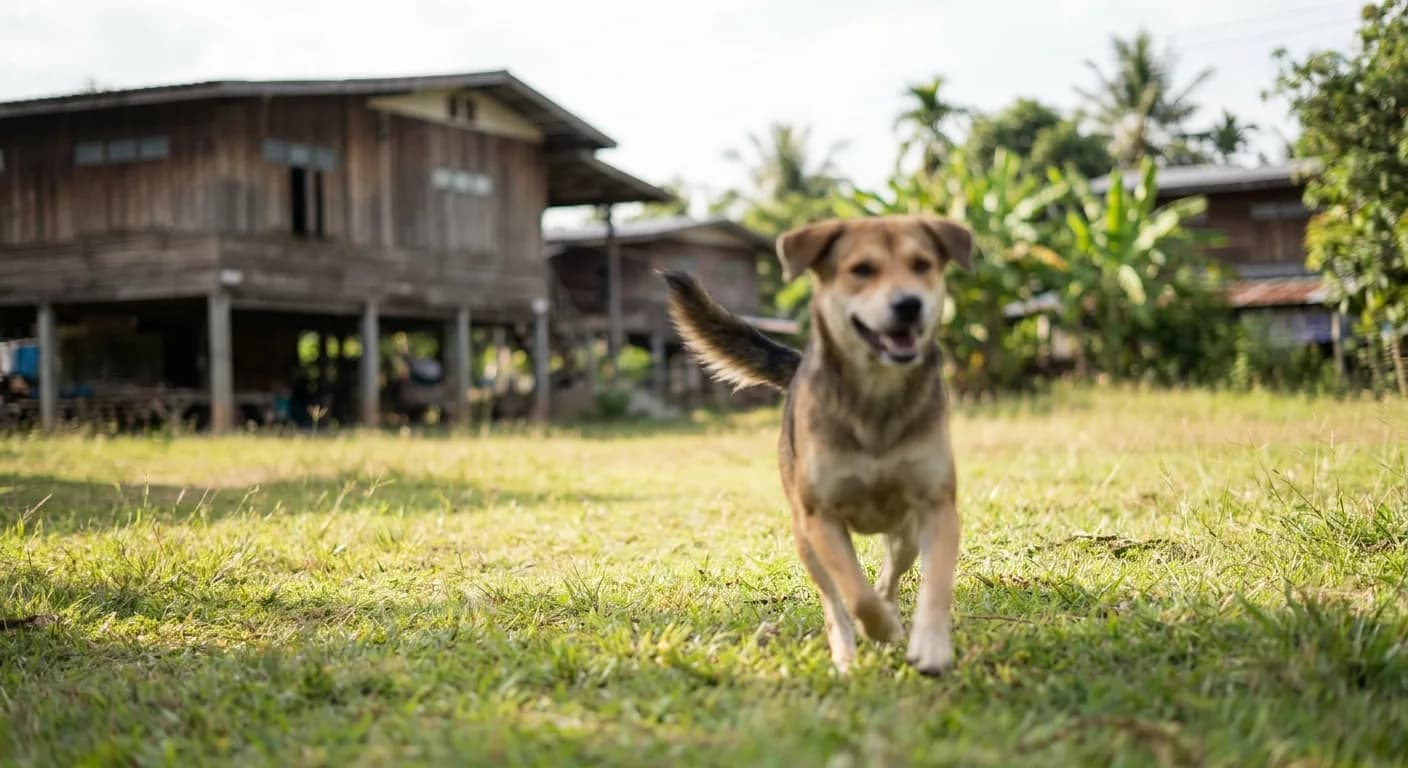

Rehabilitating fearful rescue animals is among the most challenging work in animal welfare. It requires patience measured in weeks and months, not hours and days. It demands constant attention to subtle signals and willingness to work at the animal's pace rather than our own. It involves inevitable setbacks and moments of doubt about whether progress is possible. Yet it is also among the most rewarding work imaginable.
The moment a formerly terrified animal chooses to approach you, to lean into your hand, to seek your companionship rather than flee from it, is profoundly moving. This trust was not given automatically but earned through consistent patience and respect. The bond that forms between a rehabilitated animal and the person who helped them heal is extraordinarily deep precisely because it was so hard-won. These animals, once they learn to trust, often become the most devoted and appreciative companions.
Every fearful animal rehabilitated is a life transformed. What was once a creature surviving in terror becomes an animal capable of love and joy. The techniques described in this guide, applied with patience and consistency, can help even the most damaged animals find their way back to trust. In doing this work, we honor the resilience of these animals and give them the gift they have been waiting for: a chance to feel safe at last. Many of the rescue dogs and cats waiting for adoption in Phuket have come through exactly this kind of patient rehabilitation.
About the Author
Khun Nattaya Srisawat
Khun Nattaya is a certified animal behaviorist specializing in rescue animal rehabilitation, helping fearful dogs and cats overcome their trauma and find loving homes.